DIJON, A COMMITTED TERRITORY

DIJON, A COMMITTED TERRITORY
In Dijon, the ecological transition is not a distant or abstract idea: it is a practical, daily, visible, and shared commitment. For over 20 years, the metropolitan area has been taking action at all levels to build a more sustainable, lower-carbon, and above all, more inclusive city.

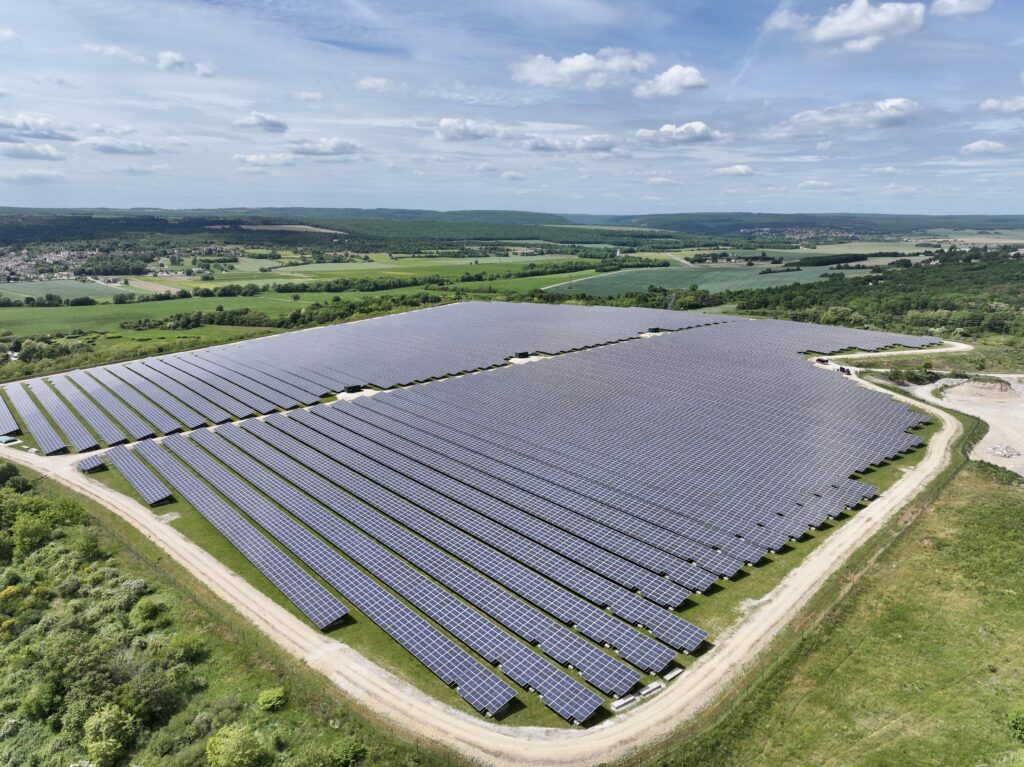
Dijon Métropole intends to contribute to the phase-out of fossil fuels by prioritizing renewable and local energy sources. As evidenced by its urban heating network, an initial park of 44,000 photovoltaic panels deployed with EDF on 17 hectares of a former inert waste landfill north of Dijon, and a biomethane production plant utilizing sewage sludge, the metropolitan area aims to achieve carbon neutrality well before 2050. The implementation of the RESPONSE collective self-consumption project in the Fontaine d’Ouche district and its potential for replication in other European territories also contributes to this ambition.

One of the key levers lies in the adoption in June 2025 of a unique Territorial Climate-Air-Energy Plan (PCAET). Wishing to go beyond the regulatory framework, the metropolitan area has added two essential dimensions consistent with the policies it implements on a daily basis:
• The preservation of biodiversity, taken into account in planning documents and development projects, which contributes to carbon sequestration through the development of nature-based solutions;

• Sustainable food, a consistent approach given the significant role of the "farm-to-fork" supply chain in terms of greenhouse gas emissions (25%), but also for its carbon sequestration potential.

This enhanced Climate Plan reaffirms and articulates the existing metropolitan action plan: energy, waste, economic development, mobility, housing and urban planning, quality of life, and health. These areas of expertise give Dijon Métropole a key role in structuring and leading an Energy Master Plan, an integral component of the Climate and Biodiversity Plan, to strengthen the effective energy independence of our region by collectively combining increased renewable energy production with a reduction in local energy demand.

RESPONSE


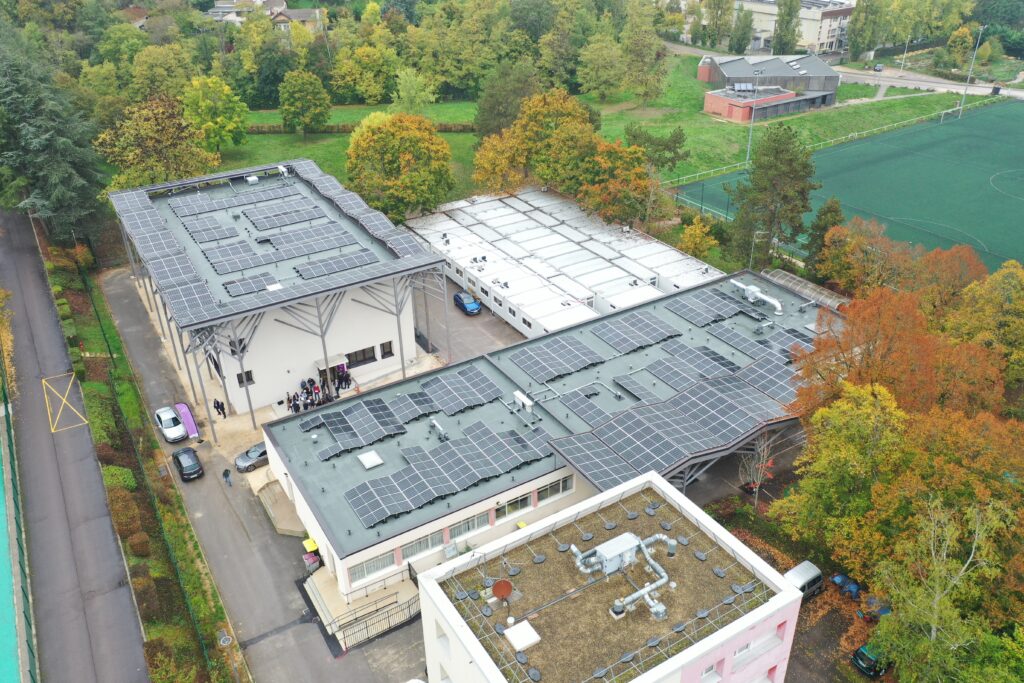
At the European level, the innovative project RESPONSIBILITY Dijon is positioning itself among the pioneering cities in the field of positive energy. In partnership with the city of Turku, Finland, Dijon is transforming the Fontaine d’Ouche district, emblematic of its social and urban diversity, into a pilot neighborhood for the sustainable city of tomorrow: renovated buildings, solar panels, smart energy management… but also the direct involvement of residents, professionals, schools, and associations. Because the success of the ecological transition does not rely solely on technology. It depends above all on collective, inclusive, and local mobilization. In Fontaine d’Ouche, as elsewhere, citizens are at the heart of the change and are inventing a new way of experiencing the city: more economical, more resilient, and more humane.

LES 7 ENGAGEMENTS DE DIJON METROPOLE EN FAVEUR DE LA TRANSITION ÉNERGÉTIQUE :


1 • LUTTER CONTRE LE RÉCHAUFFEMENT CLIMATIQUE ET ATTEINDRE LA NEUTRALITÉ CARBONE pour l'ensemble des communes de la métropole

2 • ACCÉLÉRER LA TRANSITION ÉNERGÉTIQUE DU TERRITOIRE ET CONSTRUIRE UN MIX ÉNERGÉTIQUE LOCAL, bouclier contre la volatilité des prix de l'énergie

3 • ADAPTER AU CHANGEMENT CLIMATIQUE L’AMÉNAGEMENT URBAIN

4 • AMPLIFIER LES STRATÉGIES MÉTROPOLITAINES DE MOBILITÉ DURABLE

5 • OFFRIR AUX ENTREPRISES UN CADRE DE DÉVELOPPEMENT ÉCONOMIQUE RÉACTIF ET ATTRACTIF, notamment dans le domaine de la transition énergétique et numérique

6 • PORTER UNE STRATÉGIE GLOBALE DE TRANSITION ALIMENTAIRE à l'échelle du bassin de vie

7 • PRÉSERVER LA BIODIVERSITÉ ET LES RESSOURCES eau, sols, air

CO-ORGANIZERS

DIJON METROPOLE

Dijon Métropole

Romain HYART

Communauté urbaine de Dunkerque

Cécile PHILIBERT

Ville et Eurométropole de Strasbourg

Isabelle Marty

Bordeaux Métropole

Jeanne TILLY

ADEME

Ce site utilise des cookies pour optimiser son fonctionnement.